
Logistics
Cargo and package delivery
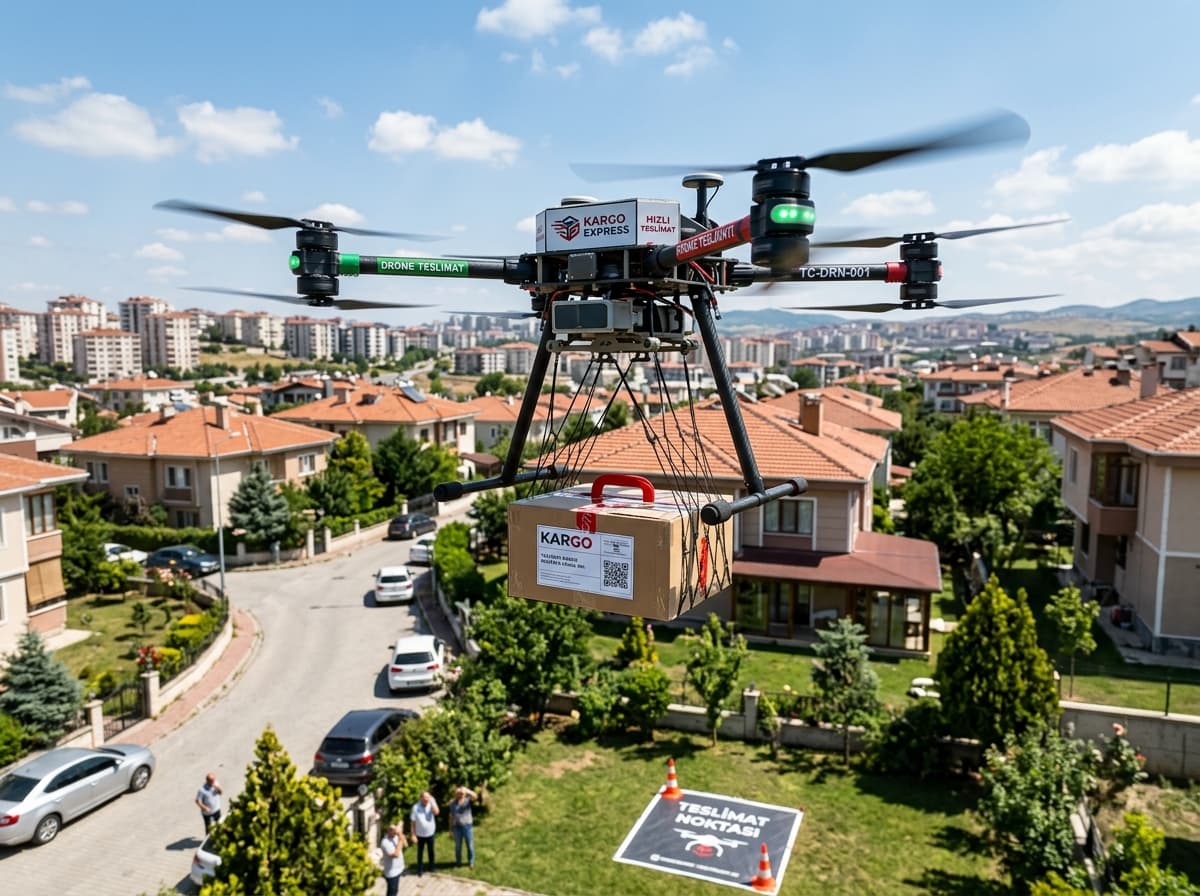
Point-to-point delivery up to four kilograms on island, highland and construction routes, with an autonomous landing station.
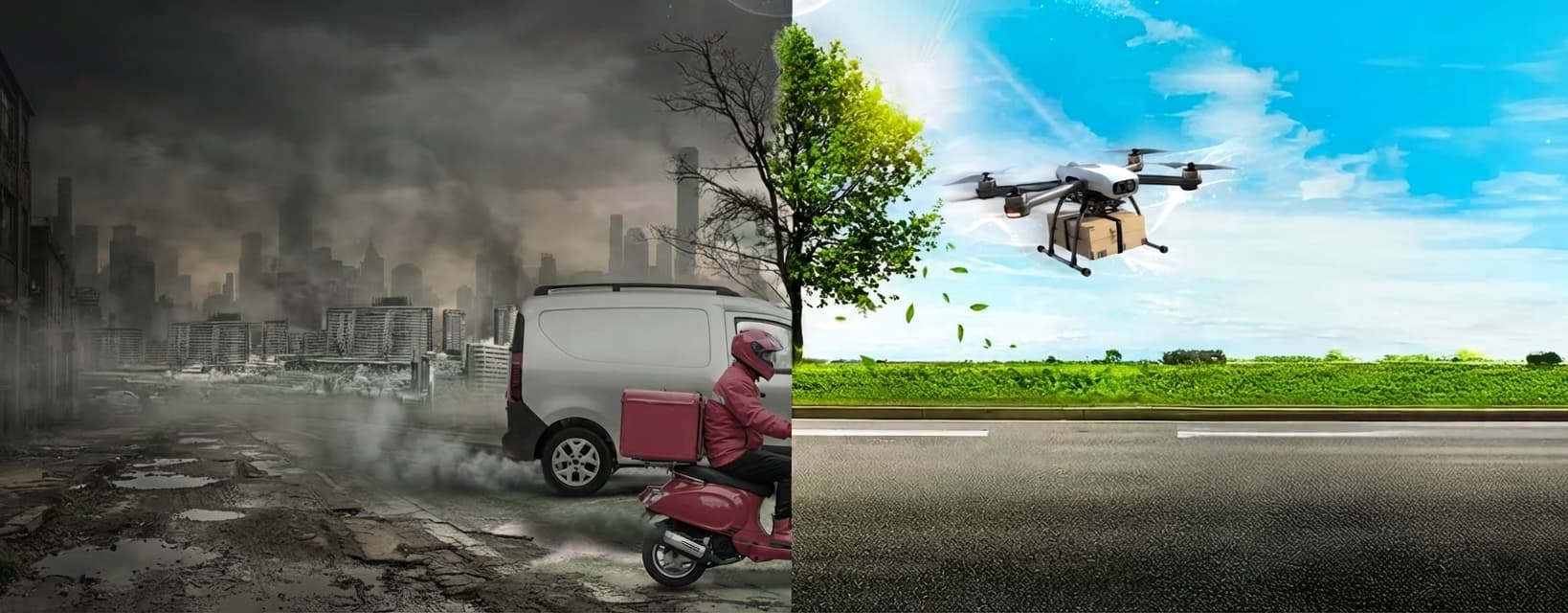
HavarTek.com is a platform bringing together the engineering solutions, emerging technologies and entrepreneurial teams working on drone-based transport systems. Our aim is to build air transport infrastructure that reduces traffic load, saves time and energy, and stays safe and sustainable.
The flight route is planned independently of road congestion; delivery time does not stretch with traffic.
The shortest air route between take-off and landing points gives the same flight time every trip.
Medicine, blood and emergency supplies arrive within the first hours, without getting caught in road traffic.
Small loads are carried directly instead of touring one by one in a vehicle; energy use and emissions drop.
The promises above are not a slogan; they are the result of three jobs. We build the platform ourselves, roll it out in urban and emergency operations, and turn it into a product that works in the field.
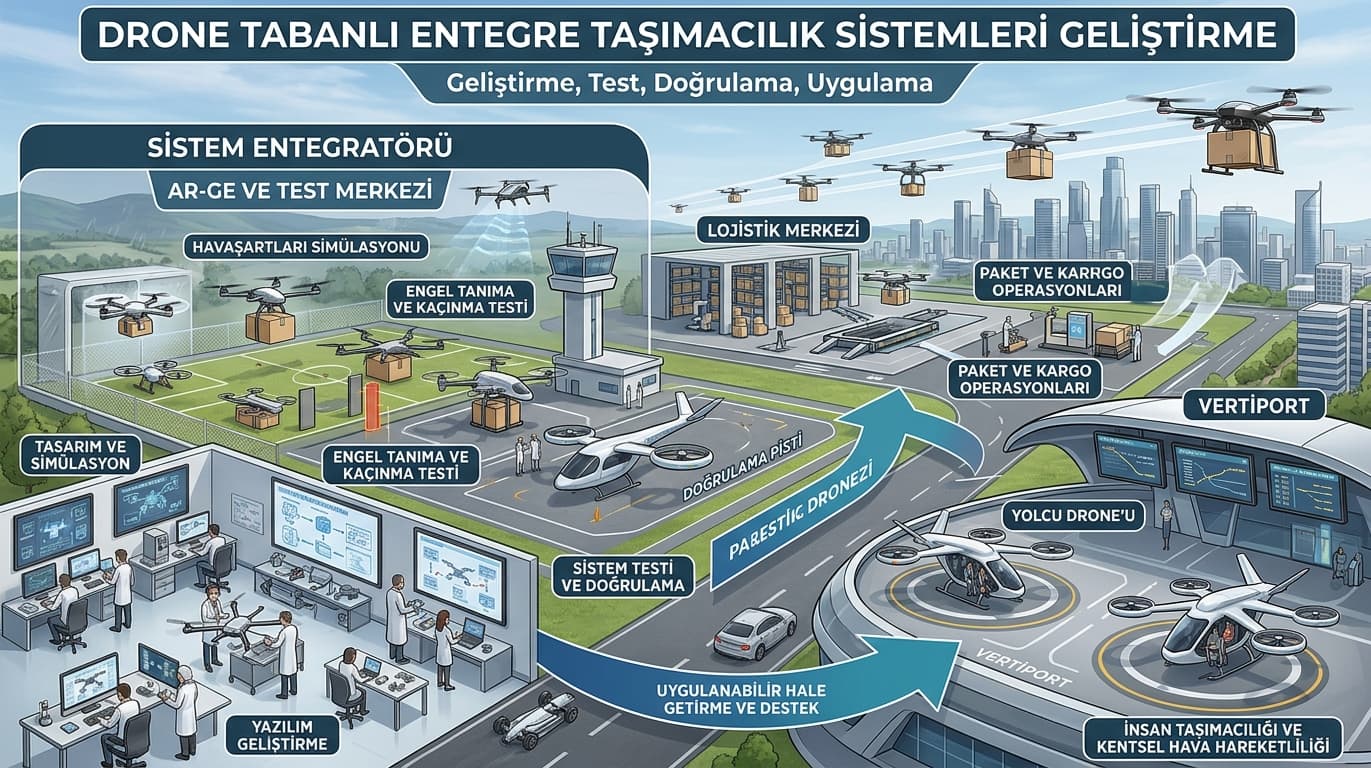
Develops drone-based systems for package, cargo and passenger transport, and supports their testing, validation and path to real deployment.
Behind the fixed delivery time promise stand our own flight platform and ground station.
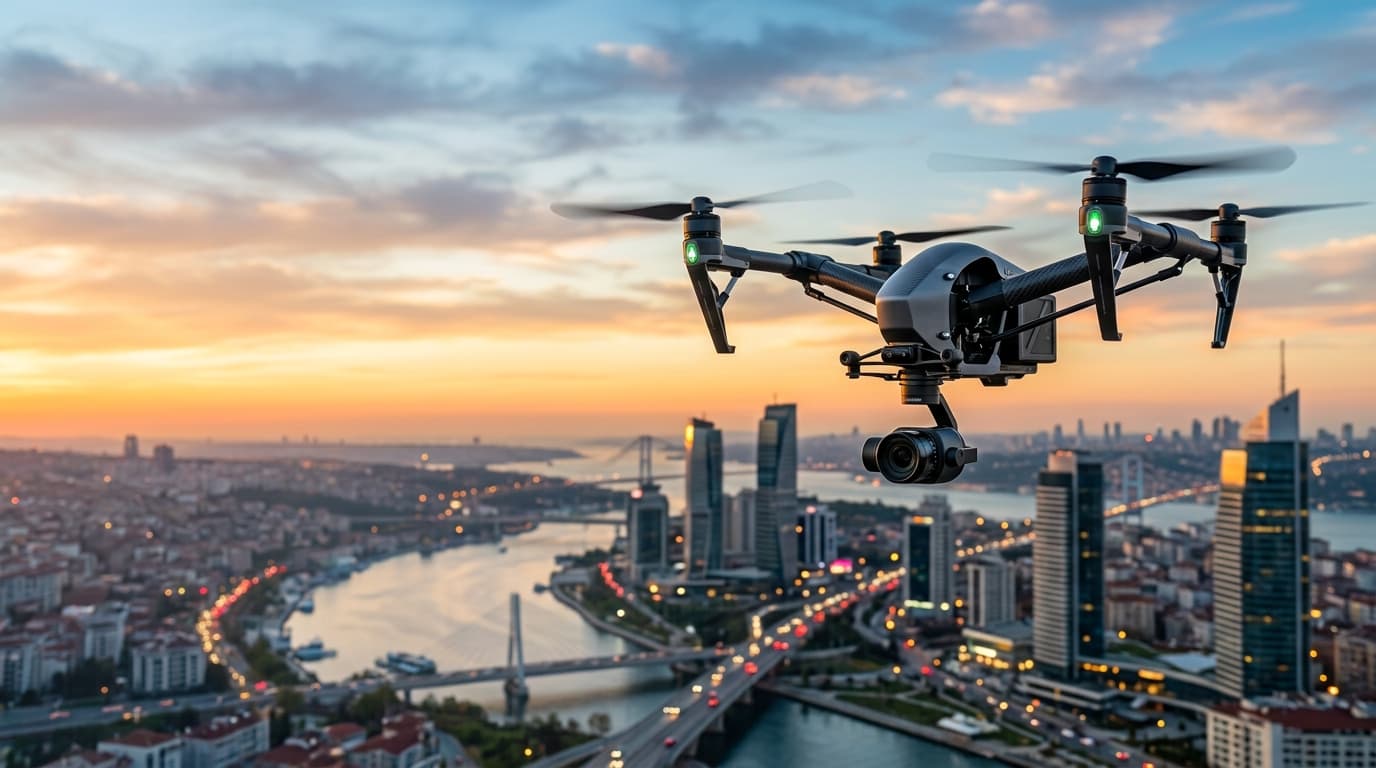
Contributes to the adoption of drone transport in urban mobility, logistics and emergency response.
As corridors multiply, "delivery without hitting the road" becomes a working network rather than a one-off mission.
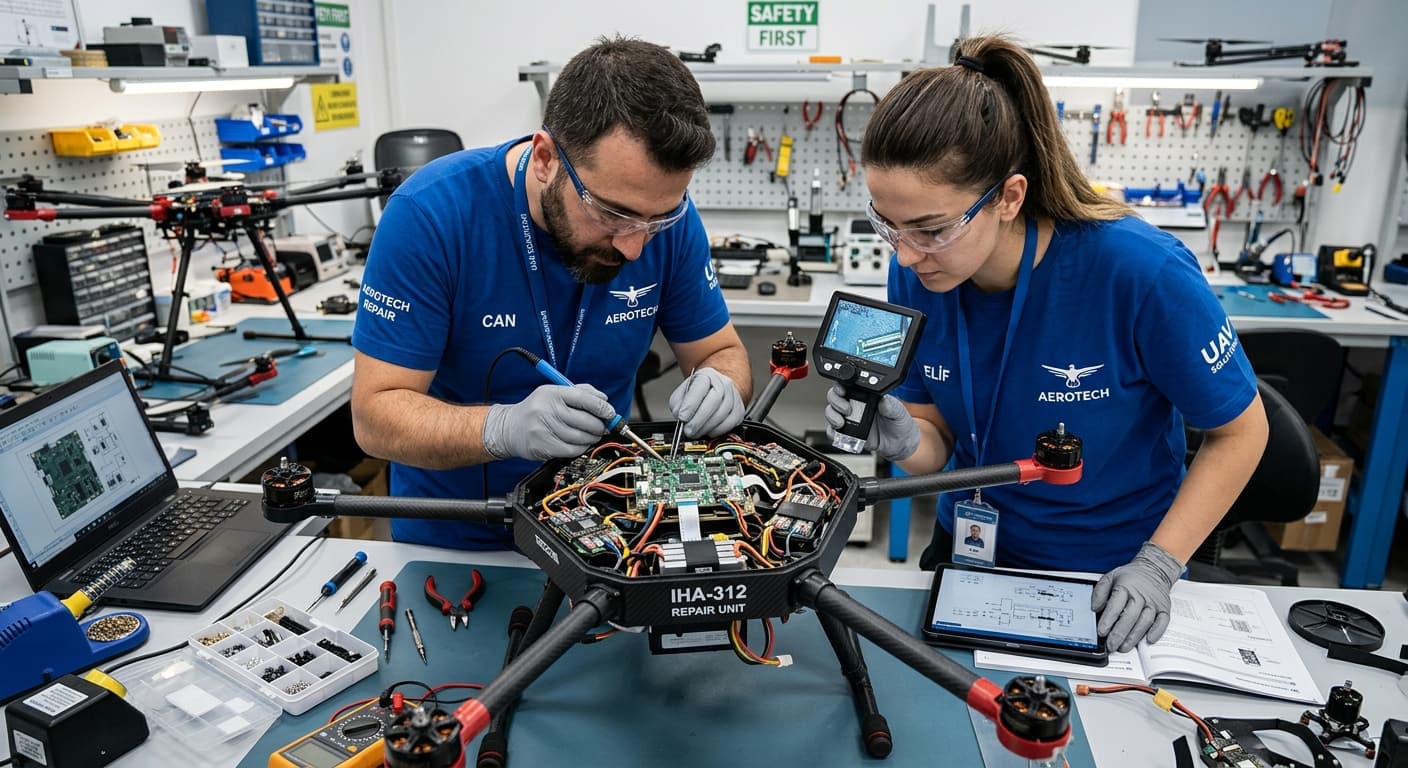
Converts engineering knowledge into products, platforms and operational solutions through entrepreneurship and systems design.
Not a prototype: a repeatable operating model complete with permits, maintenance and reporting.
The same flight software and the same ground station. Only the load carried and the flight corridor change from mission to mission.
Point-to-point delivery up to four kilograms on island, highland and construction routes, with an autonomous landing station.
Autonomous air corridors planned between designated take-off and landing points, away from heavy traffic.
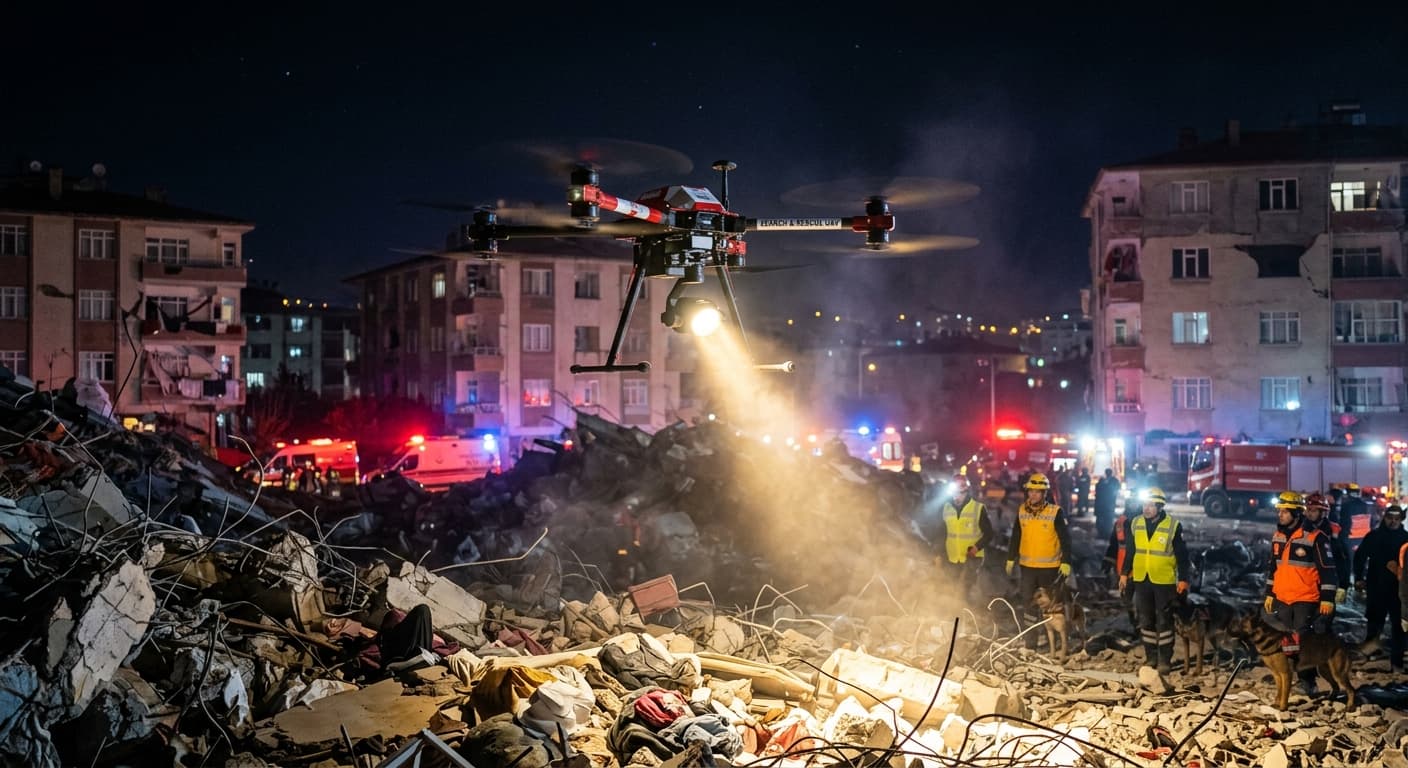
Delivering medicine, blood and emergency supplies by air when ground transport breaks down.
Development work on payload capacity, redundant flight control and landing infrastructure for vertical take-off platforms.

Take-off and delivery points, the load to be carried, weight limit and schedule are set together.
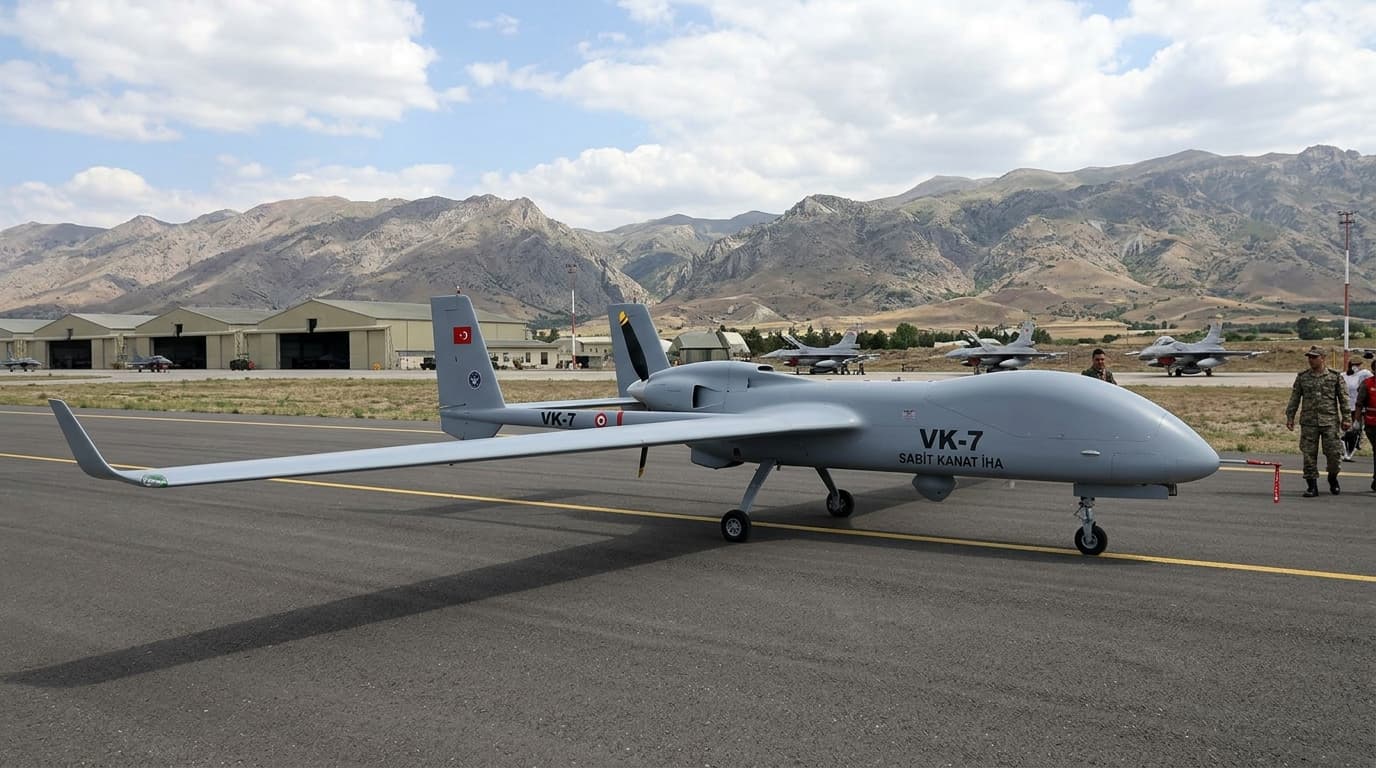
Civil aviation registration, restricted airspace checks and notification run on our side.
Autonomous corridor flight; load security and landing precision are verified in the field.
Delivery confirmation, flight log and operation report are shared in a single file after the mission.
The cases below are typical scenarios where air transport makes the difference. Tap a heading to see the solution.
The 14-kilometre road between two hospitals took over 50 minutes in evening traffic. For a product carried in a cold chain, that was beyond the acceptable limit.
The air route between the same two points is 6 kilometres. With a fixed rooftop station as the take-off and landing point, delivery time becomes independent of traffic and stays the same every trip.
A landslide closed the only access road; the vehicle carrying medicine and infant formula waited 11 hours. Nothing reached the settlement until the road reopened.
With a corridor unaffected by road conditions, loads up to four kilograms can be landed directly in the settlement. What went where in the first 24 hours is reported together with the flight log.
A round trip to the nearest depot for a faulty hydraulic fitting took 3.5 hours. A crew of ten stood idle the whole time.
Small, critical parts are delivered straight from depot to site without pulling a vehicle and driver off the job. The request is entered at the ground station and the flight plan is generated automatically.
At peak hours a motorbike courier covered the same distance in 12 minutes one time and 40 the next. The business could not give customers a firm delivery time.
In corridor flight, if the distance is fixed, so is the time. The business can give customers a delivery window it can commit to, not an estimate.
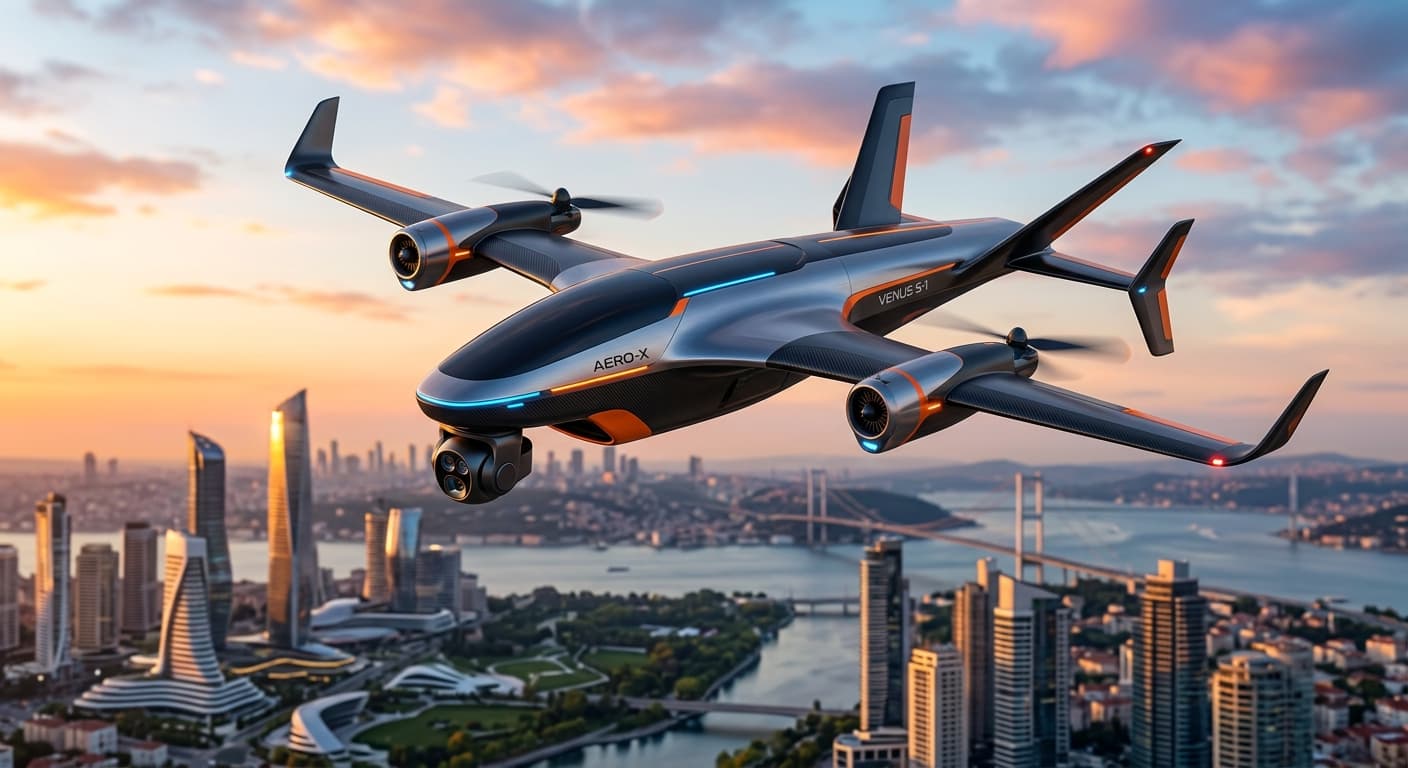
The vertical take-off fixed-wing platform now ships with forty kilometres of range and two hours of endurance.
Trials of landing and load release without pilot intervention in point-to-point delivery are under way.
Platform development continues with the goal of redundant flight control and higher payload capacity.
Create a request to join as an engineer or entrepreneur, propose a pilot project, or tell us about a transport need.
What happens after your request